

Sometimes, there is a point in the grieving process so unbearable, that the only way out is by creating something in the shape of what is gone.
Chloe Zhao’s Hamnet (2025) and Joachim Trier’s Sentimental Value (2025) masterfully showcase this truth. Whether through a stage play or a feature film, the creative act communicates emotions and trauma that words alone could not.
[Warning: spoilers for both films below.]
Parallel Pictures
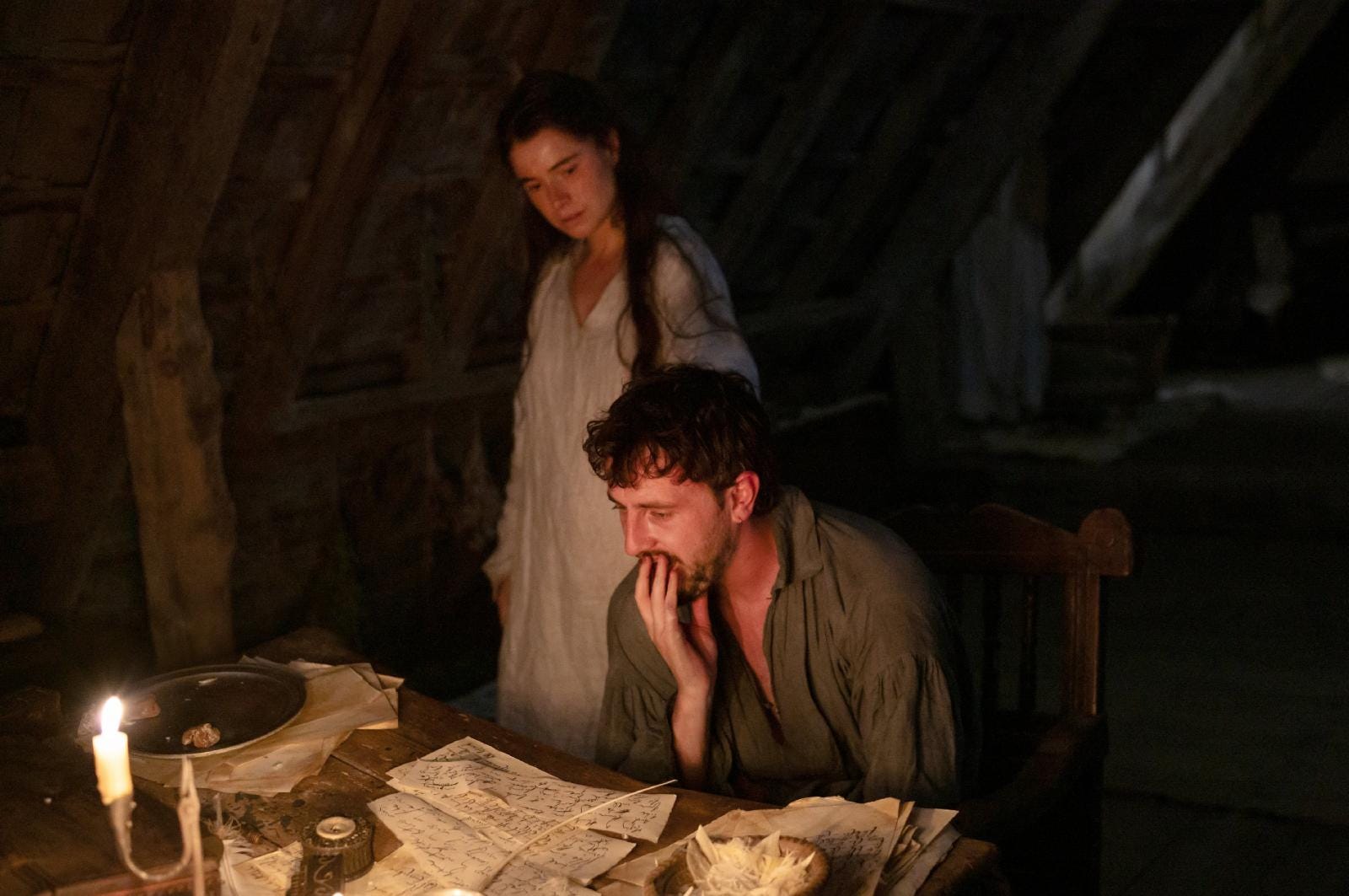
Hamnet fictionalizes the story surrounding the death of William Shakespeare and Agnes’ son, leading to the creation of the literary classic, Hamlet.
Will is depicted as a struggling writer, husband and father—not in a financial sense, but in being articulate in the presence of his wife, and his distance from family while directing plays in London.
After Hamnet’s passing, Agnes’ builds resentment towards Will for his absence when it happened. She interprets Will’s sudden need to return to The Globe as a lack care for their loss.
It isn’t until she begrudgingly travels to London to see Will’s newest work that she realizes the depth of her husband’s soul and suffering: he has immortalized their son within the play.
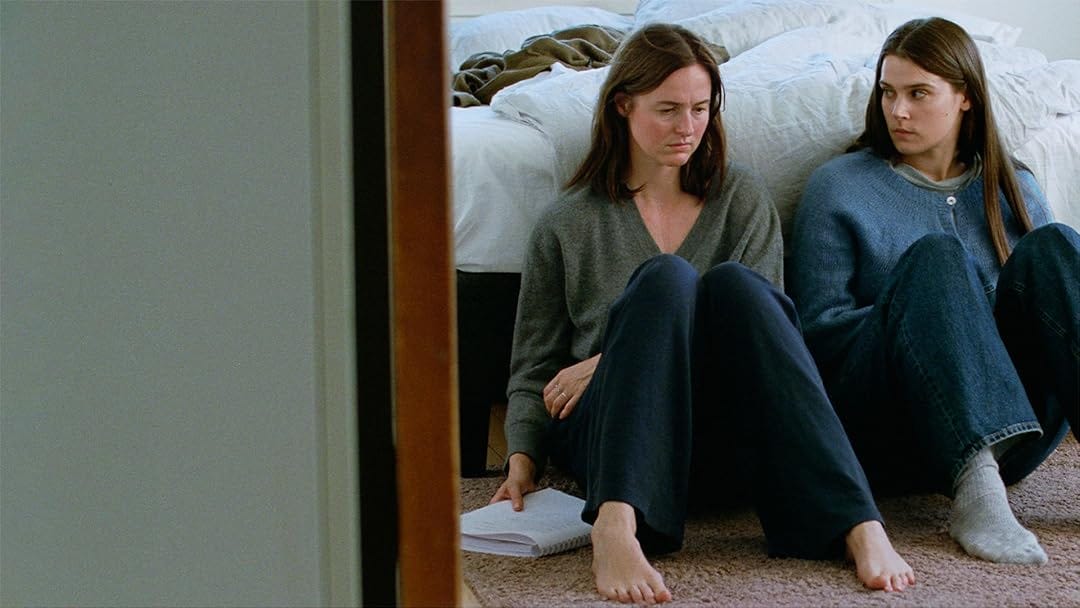
Sentimental Value navigates intergenerational trauma and family dysfunction through the reconciliation of sisters Nora and Agnes with their estranged filmmaking father, Gustav.
When Gustav offers Nora the lead role in what he considers to be his “comeback film,” Nora—full of questions, resentment, and unresolved trauma, immediately turns it down.
Agnes eventually acquires the script, and begs Nora to give it a skim. Once Nora reads it, she is shocked at how personal the writing is, and how accurately such private thoughts, emotions, and aspects of her life could be captured by her distant father.
The Gaze
In both films, the climax of healing isn’t found in a speech or a tearful apology, but rather found in a silent gaze.
In Hamnet, when Agnes sits amidst the audience at The Globe, she sees Will playing the ghost of Hamlet’s father. He delivers his lines with a love and sorrow as if he were talking directly to his son, ending with a grief-ridden, “Remember me.”
As he locks eyes with Agnes, she realizes that his absence wasn’t a lack of love, but rather the labor of working through his grief to create something in their son’s memory. It is a gaze of recognition; she now sees his grief, and it is the same as hers.


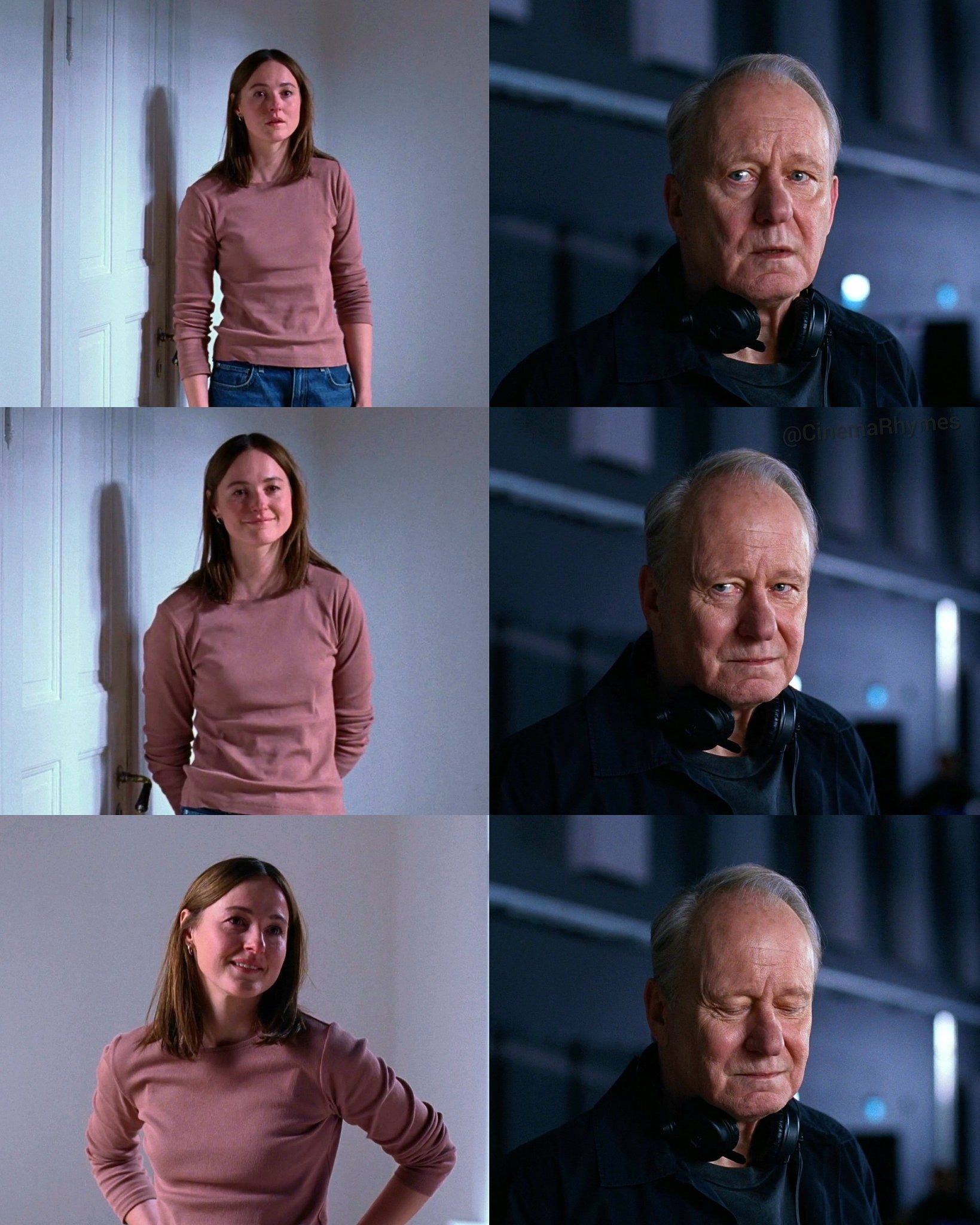
Sentimental Value reaches its emotional conclusion in a similar silence. After Nora ultimately agrees to step in front of her father’s camera, she performs a traumatic family scene in one take.
After the take, there is a lingering shot where Nora and Gustav simply look at one another. In that look, there is no “Director” or “Actor,” but a father and daughter sharing an empathetic gaze—marking the beginning of emotional clarity and acceptance in their relationship.
The Alchemy of Ache
Ultimately, these two films remind us that grief is a force that affects us all, and like a ghost, it haunts the person until it is addressed.
The “alchemy of ache” is the means of taking that invisible trauma and making it tangible: a play, a movie, a song, a memory. By making something out of said pain, these characters are moving forward with it and extend a universal hand, hoping to reach others who might feel the same.
Art and creativity allows us to contain things that are too heavy or difficult to express in normal conversation. It allows us to immortalize what we’ve lost while connecting with those who are still here.
If you find yourself navigating loss or trauma that feels too big for words, let these films be your guide. They don't promise a cure for your ache, but they do show how to turn it into something beautiful.
Best,
Santi
This is so well written! love it!